
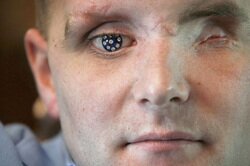
Okay, before you go and call-for-fire with artillery on my position, hear me out. Every year, various organizations and people reach out to us and ask if we know of a veteran that needs cash, furniture, clothing, a home, etc. As President of a veteran nonprofit organization, of course we do, but 10 out of 10 times they will follow up with, “It has to be a wounded warrior”.
This crap is starting to piss me off. Why does the veteran have to be missing a limb, burned, or blind for civilians to want to help them?
The purpose of this post it not to degrade the wounded warriors or disabled veterans, but more so empower the other 75% of the veteran community who could also use some love and support.
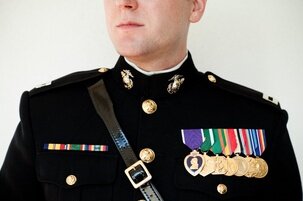
Imagine two Marines deploy to Afghanistan. Both Marines gets shot at, get rockets fired at them, both are sleep deprived, are away from their families for Thanksgiving and Christmas, both miss their first-born child’s birthday, wedding anniversary, both sacrifice and put their lives on the line everyday for us to sit back and carry-on business as usual here stateside in the greatest nation on earth.
In their 7-month deployment, both Marines roll over several IEDs with some exploding too soon and some too late. One week before they return home an IED blast hits their vehicle on target. One Marine escapes with only physical scrapes and bruises while the other Marine catches the brunt of the IED and loses a leg.
Now they are both home and looking for a job, who rates a job more?
Maybe both Marines have aspirations of starting a business. Which one deserves training and support more? Both Marines have goals of owning a home for their family, which Marine deserves a home more?
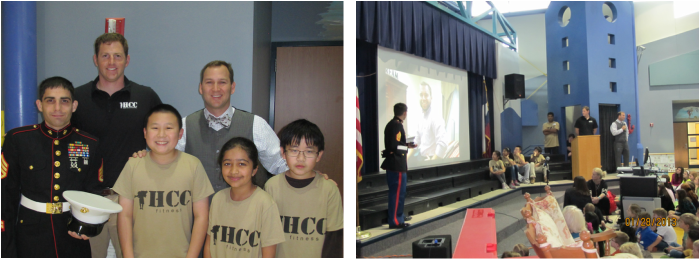
The one missing a leg? Screw that....they both have earned the support of organizations like Honor Courage Commitment, Operation Once in a Lifetime, and Center for BrainHealth. HCC’s criteria is simple, if you’ve served honorably than you deserve.
If you are like me, I say they both are owed our support equally. Getting hit in combat should not elevate a veteran’s support system. All veterans have sacrificed somehow and all veterans deserve your support.
I want to make one thing clear, as a Marine veteran, I can speak for the majority of veterans when I say, “We do not want any handouts!” We simply would appreciate your support. And when I say support, what I mean is to give us a chance at earning your business, hire us, advocate us, educate yourself about us, talk about us in a positive light, show your love for us, shake our hand, tell your kids about us, and most importantly—remember us.
The truth is that wounded soldiers, Marines, sailors, and Airmen don’t need your money. They don’t need anything other than for you to honor them. With honor comes respect and with respect comes jobs, schools, and business deals all as a by-product.
My challenge to you all is when you are seeking a veteran organization, veteran, or veteran family to support, please don’t only think of the physically wounded veterans. It’s kind of selfish to only want to help a physically wounded veteran because you can “see” it, and it makes you feel good.
Civilian or veteran, everyone could use help with something. Whether it’s business, friendship, school or business loan, mentorship, employment, or a simple introduction, veterans have a slightly later start in this area of life due to their selfless sacrifices to America. This sacrifice allows the rest of us the freedom to go to school and work (traditionally) with limited fear of security or safety issues. You have to ask yourself, “Why do I give/donate?” Is it to feel good? Is it to make a difference (positive impact)? So then I ask you, would you rather just donate/give to a warrior some cash or maybe build them a house, or would you rather empower all veterans by helping them be successful in college, business, or gain quality employment? Does it matter if the soldier is missing body parts for you to want to help them? I pray to God not.
Semper fidelis - 03SSGT
PS: Call-to-Action
Next time you want to support a veteran, veteran organization, or veteran family,
don't just give a wounded warrior cash,
don't just give a wounded warrior a house,
don't just give a wounded warrior a hunting trip,
Please contribute towards a "force multiplier" - a capability that, when added to and employed by a combat force, significantly increases the combat potential of that force and thus enhances the probability of successful mission accomplishment. This applies to combat and in the private sector.
Here are some ways to contribute to force multipliers. Contribute:
Some veteran leaders you may have heard of:
Ross Perot, EDS (Naval Academy)
Joe DePinto, CEO 7/11 (West Point)
Fred Smith, CEO FedEx (Marines)
Bob Parsons, GoDaddy CEO (Marines)
James Carville, CNN Crossfire "Ragin Cajun" (Marine)
George Washington: Revolutionary War (Continental Army)
Ronald Reagan: President, World War II (Air Force)
George H.W. Bush: President, World War II (Navy)
George W. Bush: President, Vietnam War era (Air Force Reserve)
Please like/share this. More people need to be informed.
This crap is starting to piss me off. Why does the veteran have to be missing a limb, burned, or blind for civilians to want to help them?
The purpose of this post it not to degrade the wounded warriors or disabled veterans, but more so empower the other 75% of the veteran community who could also use some love and support.
Imagine two Marines deploy to Afghanistan. Both Marines gets shot at, get rockets fired at them, both are sleep deprived, are away from their families for Thanksgiving and Christmas, both miss their first-born child’s birthday, wedding anniversary, both sacrifice and put their lives on the line everyday for us to sit back and carry-on business as usual here stateside in the greatest nation on earth.
In their 7-month deployment, both Marines roll over several IEDs with some exploding too soon and some too late. One week before they return home an IED blast hits their vehicle on target. One Marine escapes with only physical scrapes and bruises while the other Marine catches the brunt of the IED and loses a leg.
Now they are both home and looking for a job, who rates a job more?
Maybe both Marines have aspirations of starting a business. Which one deserves training and support more? Both Marines have goals of owning a home for their family, which Marine deserves a home more?
The one missing a leg? Screw that....they both have earned the support of organizations like Honor Courage Commitment, Operation Once in a Lifetime, and Center for BrainHealth. HCC’s criteria is simple, if you’ve served honorably than you deserve.
If you are like me, I say they both are owed our support equally. Getting hit in combat should not elevate a veteran’s support system. All veterans have sacrificed somehow and all veterans deserve your support.
I want to make one thing clear, as a Marine veteran, I can speak for the majority of veterans when I say, “We do not want any handouts!” We simply would appreciate your support. And when I say support, what I mean is to give us a chance at earning your business, hire us, advocate us, educate yourself about us, talk about us in a positive light, show your love for us, shake our hand, tell your kids about us, and most importantly—remember us.
The truth is that wounded soldiers, Marines, sailors, and Airmen don’t need your money. They don’t need anything other than for you to honor them. With honor comes respect and with respect comes jobs, schools, and business deals all as a by-product.
My challenge to you all is when you are seeking a veteran organization, veteran, or veteran family to support, please don’t only think of the physically wounded veterans. It’s kind of selfish to only want to help a physically wounded veteran because you can “see” it, and it makes you feel good.
Civilian or veteran, everyone could use help with something. Whether it’s business, friendship, school or business loan, mentorship, employment, or a simple introduction, veterans have a slightly later start in this area of life due to their selfless sacrifices to America. This sacrifice allows the rest of us the freedom to go to school and work (traditionally) with limited fear of security or safety issues. You have to ask yourself, “Why do I give/donate?” Is it to feel good? Is it to make a difference (positive impact)? So then I ask you, would you rather just donate/give to a warrior some cash or maybe build them a house, or would you rather empower all veterans by helping them be successful in college, business, or gain quality employment? Does it matter if the soldier is missing body parts for you to want to help them? I pray to God not.
Semper fidelis - 03SSGT
PS: Call-to-Action
Next time you want to support a veteran, veteran organization, or veteran family,
don't just give a wounded warrior cash,
don't just give a wounded warrior a house,
don't just give a wounded warrior a hunting trip,
Please contribute towards a "force multiplier" - a capability that, when added to and employed by a combat force, significantly increases the combat potential of that force and thus enhances the probability of successful mission accomplishment. This applies to combat and in the private sector.
Here are some ways to contribute to force multipliers. Contribute:
- to a veterans' education to offset his/her GI Bill
- towards a scholarship for veterans who have exhausted their GI Bill and want to attend graduate school for their MBA, MS, PHD, etc,
- to programs in place to help veterans cope with post-stress; e.g. Hooves for Heroes and Heroes on the Water
- to programs that help veterans refine resumes, interview coaching, certification workshops
- to a business start-up fund to help launch a veteran-owned business
- purchase or do business with Veteran-owned businesses - Directory
Some veteran leaders you may have heard of:
Ross Perot, EDS (Naval Academy)
Joe DePinto, CEO 7/11 (West Point)
Fred Smith, CEO FedEx (Marines)
Bob Parsons, GoDaddy CEO (Marines)
James Carville, CNN Crossfire "Ragin Cajun" (Marine)
George Washington: Revolutionary War (Continental Army)
Ronald Reagan: President, World War II (Air Force)
George H.W. Bush: President, World War II (Navy)
George W. Bush: President, Vietnam War era (Air Force Reserve)
Please like/share this. More people need to be informed.





 RSS Feed
